
How to talk to primary school children about difficult world events
You don't need to have all the answers. A children's therapist explains how to talk to primary-age children about difficult world events, what to say, what to avoid, and when to get extra support.
6 minute read.

Children are perceptive. They notice worried faces, catch the tail end of conversations not meant for them, and feel the general shift in atmosphere when something isn’t right, even when nobody has said a word.
As a children’s therapist, I hear some version of the same question from parents almost every week at the moment: “How do I even begin to explain what’s going on in the world to my child? How do I talk to children about the news?”
It’s a good question, and the fact that you’re asking it matters. The truth is, you don’t need to explain everything. What primary-age children need most isn’t a detailed account of current events. They need to feel safe, and they need to know that the people around them are okay.
Here’s what actually helps.
You don’t have to wait for them to bring it up
Many parents worry about introducing topics that their child hasn’t raised yet. But children this age are often sitting with worries they don’t have words for.
It’s worth gently opening the door if you notice:
- changes in behaviour
- clinginess
- difficulty sleeping
- more questions than usual, or
- an unusual quietness.
Something simple like “I know there’s been some worrying news lately. Do you have any questions about any of it?” gives them permission to talk without putting pressure on them to do so.
If they say no and move on, that’s fine. You’ve let them know the conversation is available.
Use honest, simple language
You don’t need to explain geopolitics to a nine-year-old, and you shouldn’t try to. But you also shouldn’t dismiss or minimise what they’ve picked up on.
Children are very good at detecting when they’re being managed, and it tends to increase rather than reduce their anxiety.
Honest, age-appropriate language works well. “Some countries are having very serious disagreements” or “some people are going through a really difficult time and lots of grown-ups are trying to help” gives them the truth in a form they can hold.
Avoid catastrophising, but don't pretend everything is fine if it clearly isn't.

Ask what they already think is happening
Before you explain anything, find out what’s already in their head. Children construct their own narratives from fragments of overheard conversation, playground chat, and glimpsed screens, and these narratives are sometimes more frightening than reality.
“What do you think is going on?” and “How does that make you feel?” are more useful starting points than launching into your own explanation
Once you know what they’ve taken in, you can correct any misunderstandings and respond to what they actually need, rather than what you assume they need.
Talk about what hasn’t changed
Primary-age children find genuine comfort in the concrete and the familiar. Their school is still there. Their home is still there. Their routines are still there. The people who look after them are still there.
Gently naming these things isn’t dismissive, it’s genuinely grounding for a child who is trying to make sense of a world that feels unstable.
This doesn’t mean pretending everything is perfect. It means helping them locate the parts of their life that are solid, because those parts still exist and they matter.
Help them do something with the feeling
Children who feel anxious but have nowhere to put it tend to carry it in their bodies. Trouble sleeping, stomach aches, and changes in behaviour are all common ways that unprocessed worry shows up at this age. This doesn’t mean something is seriously wrong. It means they need an outlet.
Drawing, making things, physical play, and talking are all ways young children process emotions that don’t yet have words.
If they want to draw what they’re feeling rather than talk about it, let them. If they want to make a card for someone who is going through a hard time, support that impulse.
Doing something, however small, can help a child feel less powerless.
You don’t have to pretend to be fine
One of the most common mistakes parents make is acting like they feel calm when they’re not.
Children pick up on the gap between what you’re saying and how you’re actually behaving, and it can be confusing and unsettling for them.
It’s completely fine to say “I find some of this worrying too.” What matters is what comes next. Following it with “and I also know that lots of people are working really hard to help, and that we’re safe here” gives them something to hold on to.
You’re modelling that difficult feelings are allowed, and that you can have them without falling apart. That’s enormously reassuring.
When to consider extra support
Most children will move through periods of worry without lasting difficulty, especially with the kind of calm, consistent support described above.
But some children find anxiety harder to shift. If your child seems persistently unsettled, is struggling to enjoy the things they normally would, or keeps returning to fears that you can’t seem to address together, it may be worth speaking to a professional.
A children’s therapist can work with your child in a way that’s tailored to their age and temperament, using approaches that might include talk, play, or creative methods depending on what works best for them. You don’t need a GP referral or a formal diagnosis to access support.
At Now You’re Talking, we offer children’s counselling with no waiting list. You can book a free 15-minute connection call to find the right therapist for your child before committing to anything.
About the author
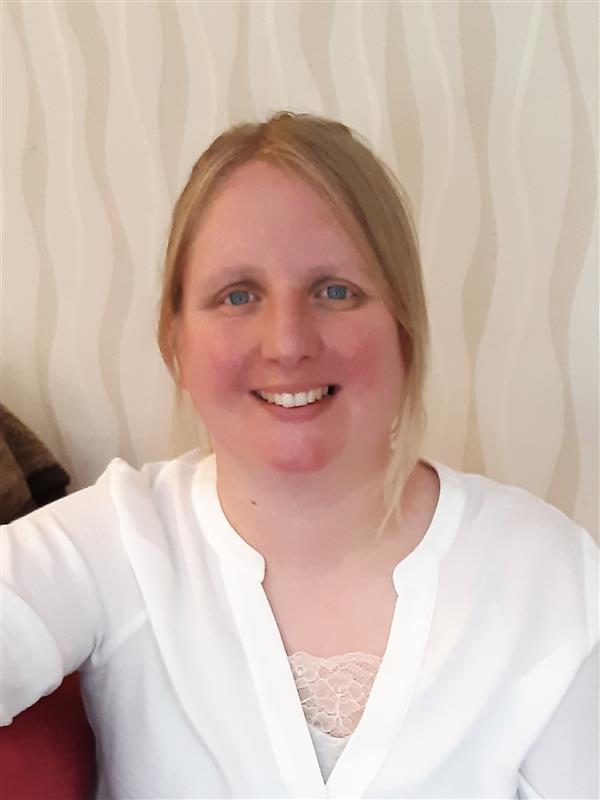
Gillian Trueman is a therapist specialising in working with children aged 5 and above. With a Masters in Counselling, she takes a collaborative, child-led approach, meaning sessions move at your child’s pace, with space to talk openly and feel heard.
Having been through therapy herself, Gillian understands how important it is to find the right person. She holds a Diploma in Children and Young People and has specialist training in areas including adolescent self-harm and eating disorders.
Gillian offers in-person sessions in Sheffield and online.
Take a look at Gillian’s profile on Now You’re Talking to find out more about her approach, and book a free 15-minute connection call to see if she’s the right fit for your child.