
What is domestic abuse?
Domestic abuse is an episode or pattern of controlling behaviour that takes place within a relationship. The abuse may be physical, psychological, or both. If you think someone is abusing you, it’s important for you and your child that you seek help when you feel safe to do so.
Is someone abusing you?
If you need help now, here are some organisations you can contact for support:
Respect (For male victims of domestic abuse)
If you are in immediate danger, call 999.
How we can help your child to heal
The impact of witnessing or experiencing domestic abuse can last into adulthood. But with proper support, most kids can move forward once they’re out of the abusive setting.
Our highly skilled therapists specialise in helping children:
- Process their thoughts and feelings
- Learn coping strategies
- Understand that the abuse is not their fault
- Move forward in life
The impact of domestic abuse on children
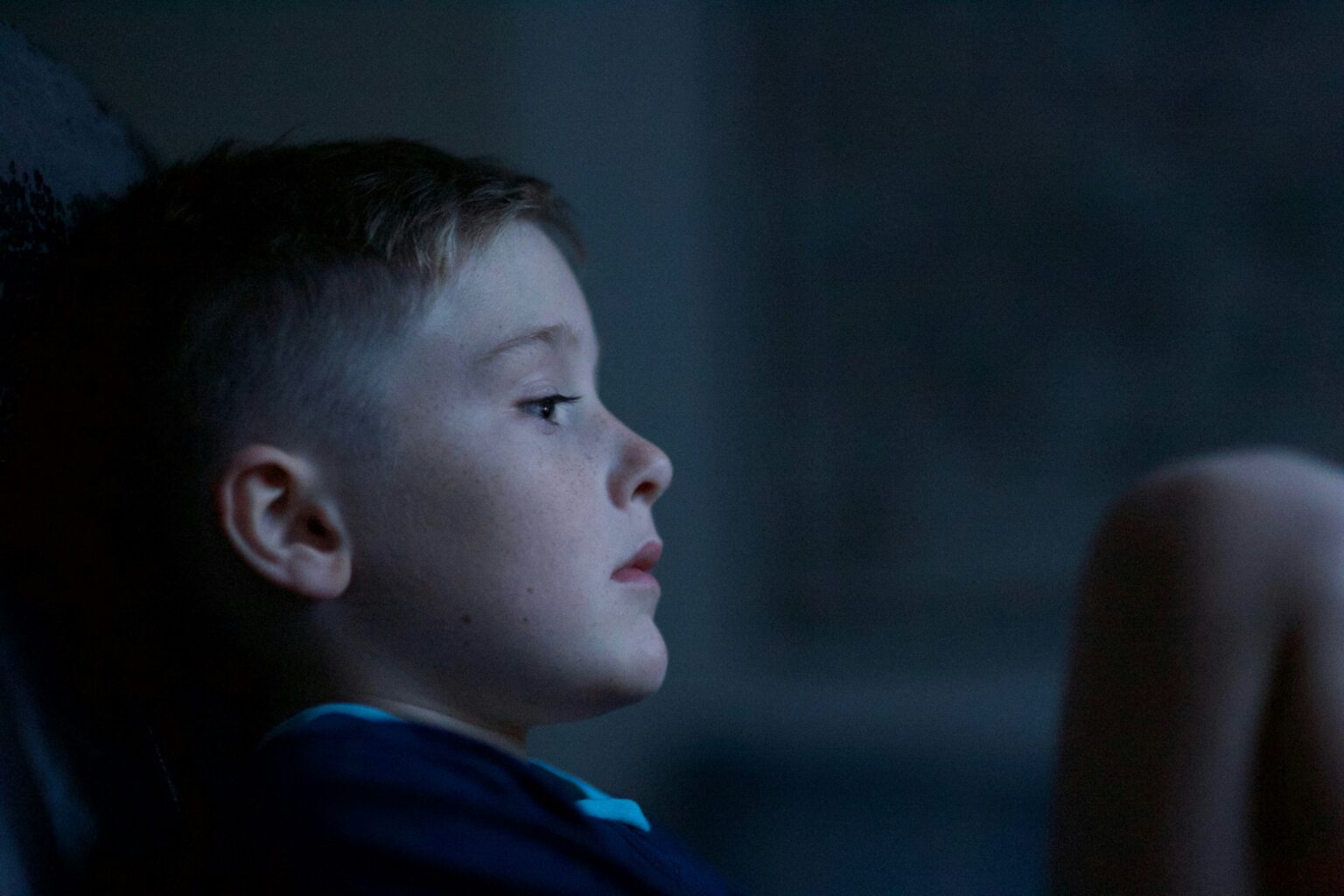
If your child has witnessed or experienced any kind of domestic abuse, you may have noticed a change in their behaviour. Issues associated with domestic abuse can present differently from child to child and at various stages of development. Here are some examples:
Toddlers
Wetting the bed
Crying more than usual
Trouble sleeping
Separation anxiety
Older Children
Losing interest in things they used to find fun
Getting lower grades in school
Increased anger
Feeling guilty
Feeling anxious
Feeling low most or all of the time
Complaining of headaches and stomach aches
Teenagers
Bunking off from school or fighting with family members
Having low self-esteem
Feeling anxious
Feeling low
Increased anger
Having trouble making friends
Using alcohol and other drugs
Not sure if therapy is right for you?
Read our guide to help understand what happens during therapy and the therapist’s role in sessions to help you decide if it's right for you.
Read more